

Guide to Fostering Curiosity & Lifelong Learning in Children
For busy parents of young children juggling work, routines, and early childhood education decisions, the hardest part is watching children’s natural curiosity collide with performance pressure and constant comparison. When every “why” gets rushed or corrected, learning starts to feel like approval-seeking instead of discovery.
Curiosity is the raw ingredient that later becomes lifelong learning, and it’s the earliest signal of future self-motivated learners. With supportive parenting strategies, everyday questions can stay a source of energy rather than a source of stress.
Quick Summary: Nurturing Curiosity at Home
- Create engaging learning environments that invite questions, exploration, and regular discovery.
- Encourage self-motivation by letting children choose goals and follow their interests.
- Promote independent reading to strengthen attention, confidence, and long-term learning habits.
- Explore diverse topics by rotating themes that keep curiosity fresh week to week.
- Use hands-on activities and positive reinforcement to sustain effort and enjoyment while learning.
Encourage Creativity Through Hands-On Activities
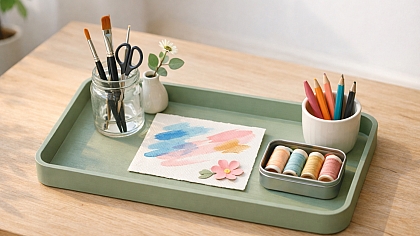
Creative activities give children the freedom to explore ideas, experiment, and learn through discovery. Drawing, painting, music, storytelling, building projects, crafts, and imaginative play can strengthen problem-solving skills while showing kids that there is often more than one way to approach a challenge. By giving children regular opportunities to create without focusing too heavily on the final result, parents can encourage curiosity, confidence, and a willingness to try new things—qualities that can support a lifelong love of learning.
Spark Questions With a Playful AI-Style Portrait Project
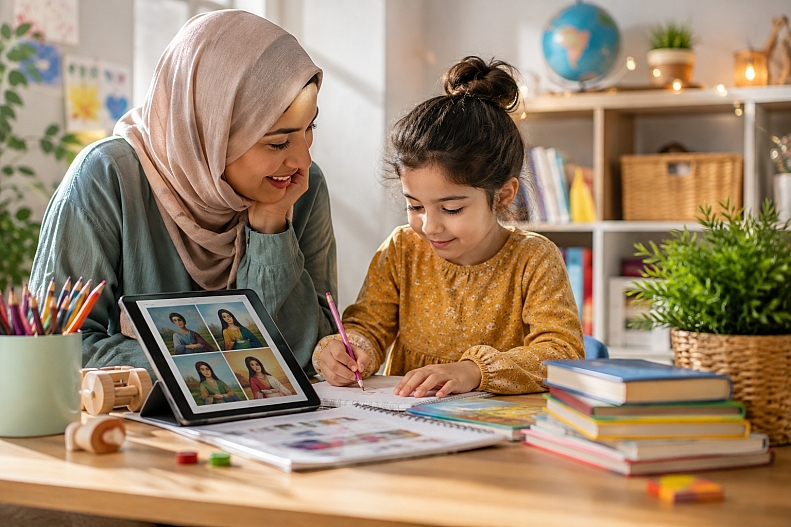
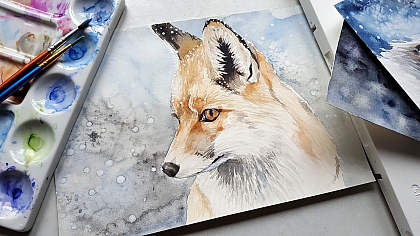
Once you’ve got a few curiosity-friendly moves in your back pocket, a small creative project can turn “I’m bored” into genuine wonder. AI painting tools can invite kids to explore their creativity by giving their ideas a visual form, often lowering the barrier to making art and building a quiet love of learning through the arts. With an AI portrait generator, they can turn either a photo or a simple text description into a realistic or stylized digital portrait, then keep iterating as new questions pop up.
The real curiosity spark comes from the choices: adjusting lighting, shifting the angle, and experimenting with artistic effects until the image matches what they imagined. If you want a simple entry point, you can create portraits with AI and let your child steer the creative decisions.
How to Build a Curiosity-First Learning Routine
This process helps you turn everyday moments into low-pressure learning opportunities that your child actually wants to repeat. It matters because motivation grows when kids feel safe to wonder, have materials within reach, and get real choice in what to explore.
- Model curiosity out loud
Name what you are noticing and wondering in daily life, then ask one simple question you can explore together. Keep it light and genuine, because kids copy the stance of “I can figure this out” long before they copy facts. When your child asks something unexpected, treat it as valuable data, not a distraction. - Make questions feel safe and welcome
Create a predictable moment each day when questions are invited, like during dinner or bedtime, and respond with calm attention even when you do not know the answer. A stable and calm atmosphere makes it easier for children to take small intellectual risks like guessing, revising, and asking follow-ups. If you are busy, write the question down and schedule a time to investigate. - Stock a small, rotating “yes” space
Set up a grab-and-go learning shelf with a handful of items that invite tinkering, building, sorting, reading, or mapping. Keep choices limited so your child can start quickly without decision fatigue, and rotate items to refresh interest. Aim for resources that can be used more than one way, like blocks, magnets, puzzles, or topic books. - Use quick experiments and games to test ideas
Turn your child’s questions into mini “try it” activities that take 5 to 15 minutes, using simple household supplies and a clear prediction. Games like scavenger hunts, classification challenges, and “design a bridge” contests make practice feel like play while still building thinking skills. Close by asking, “What surprised you?” so learning ends with reflection, not a score. - Let child-led discovery set the next plan
After each activity, choose one follow-up based on your child’s interest: go deeper, switch angles, or start a new question. Offer two options you can support, then let them pick, so the structure stays real while ownership stays theirs. Track curiosity with a short list of “questions we’re collecting” rather than a rigid checklist.
Curiosity and Motivation: Questions Parents Ask
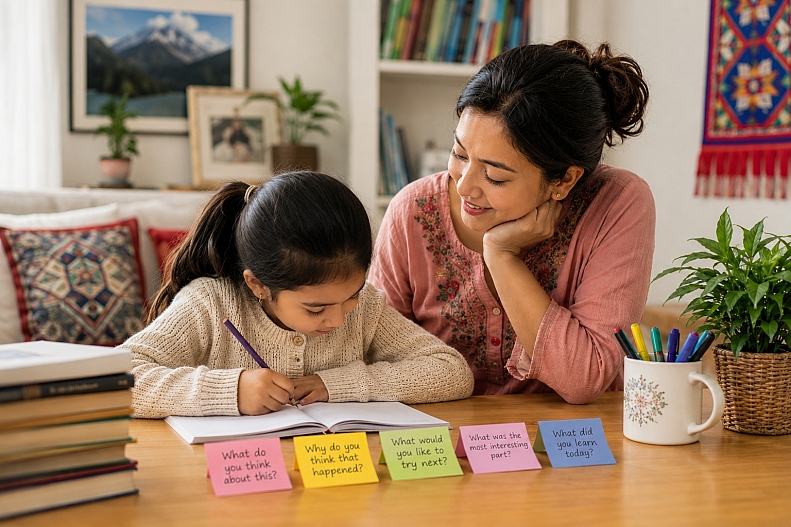
Q: How do I balance structure and freedom without chaos?
A: Offer a simple routine, then give choice inside it. Try a consistent 10-minute “question time,” then let your child pick between two materials or topics. Clear boundaries plus real choice help kids feel both safe and in charge.
Q: What if my child seems unmotivated and avoids learning activities?
A: Start with their interests and shrink the task until it feels doable, like a 5-minute challenge or one “try” without correction. Praise effort and strategy, not talent, and end while it is still going okay so they associate learning with success.
Q: Should I reward curiosity with prizes or screen time?
A: Occasional rewards can kickstart momentum, but rely more on autonomy and competence. Use “earned tools” instead, like choosing the next experiment or adding a new book to the shelf, so the reward stays connected to learning.
Q: How can I help without hovering or turning into the teacher?
A: Aim to be the assistant, not the judge. Ask one guiding question, offer one hint, then step back and let them test ideas. Parent-focused support can change behavior meaningfully, and the overall effect for child behavior shows this kind of approach can make a real difference.
Q: When should I worry that school is not meeting my child’s needs?
A: Notice patterns, not single bad days, like frequent tears, avoidance, or ongoing confusion. Bring specific examples to the teacher and ask what supports are available. The UNCF prompt about a child getting a great education can help you frame the right questions.
Start One Curiosity Ritual to Build Lifelong Learning Momentum
It’s easy to feel torn between giving kids freedom to explore and keeping learning on track, especially when motivation dips. The steadier path is a curiosity-first mindset: stay present, invite questions, and treat mistakes and interests as useful data - parental involvement in education that guides without squeezing.
Over time, the benefits of nurturing curiosity show up as stronger self-direction, more resilience, and long-term learning development you can actually see and name by celebrating learning milestones. Curiosity grows when parents protect attention, not perfection.
Categories
Recent Posts





0.1008