

How to Build a Crafting Routine You Can Keep Despite a Busy Life
For craft hobbyists juggling busy lifestyles, full-time work, shifting schedules, and family responsibilities, keeping a creative routine can feel like a luxury that never quite fits. The real squeeze isn’t a lack of ideas; it’s work-life balance, time management for crafters, and the constant mental load that makes starting harder than finishing.
When the only “free time” shows up in tiny, unpredictable scraps, creative routine challenges pile up fast, and the supplies start gathering dust. A routine that actually survives real life brings back the calm, momentum, and joy that made crafting worth it in the first place.
Quick Takeaways for a Lasting Craft Routine
- Set small crafting milestones that fit into short pockets of your busy day.
- Keep a ready-to-use workspace so starting takes minutes, not momentum.
- Choose flexible craft projects you can pause and pick back up easily.
- Use simple mindset shifts to stay motivated when life gets hectic.
- Let go of perfectionism so you finish more handmade pieces and enjoy the process.
Why Making Time Feels Harder Than It Should
When crafting keeps slipping, it is usually not because you are lazy or “bad at routines.” It is often a pileup of hidden blockers: decision fatigue after a long day, ideation that feels like another task, perfectionism, and plain burnout. One common driver is fear of failure, which quietly turns “quick project time” into “high-stakes performance.”
This matters because these blockers steal the fun and make crafting feel expensive in time and energy, even when the materials are affordable. When you name what is happening, you can pick projects for real life and still create unique handmade pieces.
Picture opening your supplies and freezing because you could make ten things, but none feel “good enough.” That spiral is an obstacle to creativity, not a character flaw. Once you spot the blocker, tiny milestones and faster setup choices start working immediately.
Fit Crafting Into Real Life With 4 Low-Prep Moves
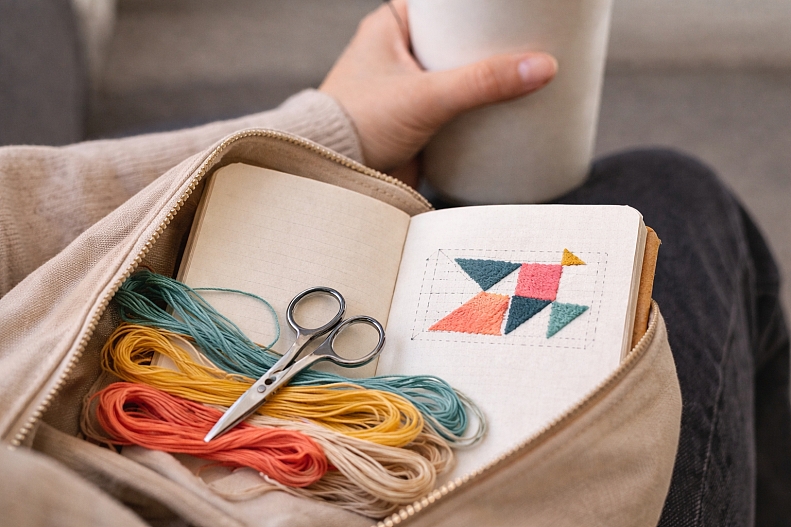
When life’s loud, crafting doesn’t need a full “free afternoon” to count. These low-prep moves are basically the travel-sized version of creativity: small, packable, and easy to restart after a rough week.
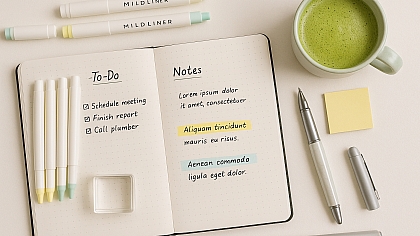
- Set tiny milestones (so decision fatigue can’t win): Pick a finish line you can hit in 5–15 minutes, like “cut card bases,” “sort beads by color,” or “paint one background wash.” Write the next micro-step on a sticky note and leave it on your supplies so you don’t spend precious energy re-deciding what to do. This works because it shrinks perfectionism: you’re not “making a masterpiece,” you’re just completing one bite-sized checkpoint.
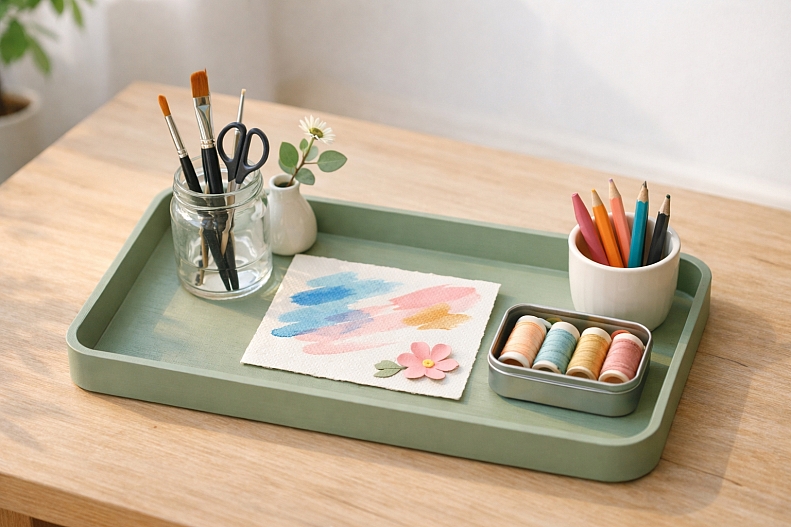
- Keep a ready-to-use workspace (even if it’s a shoebox): Make a “landing pad” that’s always craft-ready: a tray, lidded box, or shallow bin with the basics (scissors, glue, pencil, wipes, a scrap paper stack, and one in-progress project). Aim for a 60-second setup rule; if you can’t make it within a minute, simplify what lives in the kit. The goal is to reduce craft prep time, because when you’re tired, setup is the real boss fight.
- Choose flexible projects with natural stopping points: Go for crafts you can pause without ruining momentum, think greeting cards in batches, simple embroidery motifs, paint swatches, paper flowers, or a “one-square-at-a-time” quilt/block. Add intentional checkpoints like “finish two petals” or “outline only,” so you can stop when the timer goes off and still feel done. Flexible craft projects also protect you from burnout: you can scale the effort up on good days and down on messy ones.
- Build a portable craft mini-kit for dead time: Put together a pouch that lives in your bag or car: a small sketchbook, a pen, a few pre-cut papers, a tiny threader/needle case, or a few jewelry finds in a snap container. The rule is “no spills, no crumbs, no stress”, so skip glitter and wet paint unless you’re sure you have a safe surface. Portable craft ideas turn waiting rooms, lunch breaks, and kid practice pickups into surprisingly productive pockets.
- Cut planning time with a 3-minute moodboard: When ideation feels like extra work, do a lightning moodboard: choose 3 colors, 2 textures, and 1 “hero” element (a stamp, a focal bead, a floral shape). Keep it physical, tape scraps to paper, so it’s fast, and you’re not lost scrolling. It helps to remember that crafting is no longer just a hobby for many people; treating it like a small self-care stop makes quick planning feel worth it.
- Use fast design variations to beat the blank-page freeze: Make three rough versions before you commit: change only one thing each time (layout, color, or focal piece) and keep the rest identical. For example, sketch the same card design three ways, centered sentiment, left banner, or diagonal strip, then pick the one that feels easiest to execute. This is quick project planning that keeps you moving without waiting for “the perfect idea,” including using free generative AI for creatives to explore options quickly.
Habits That Keep Your Crafting Routine Alive
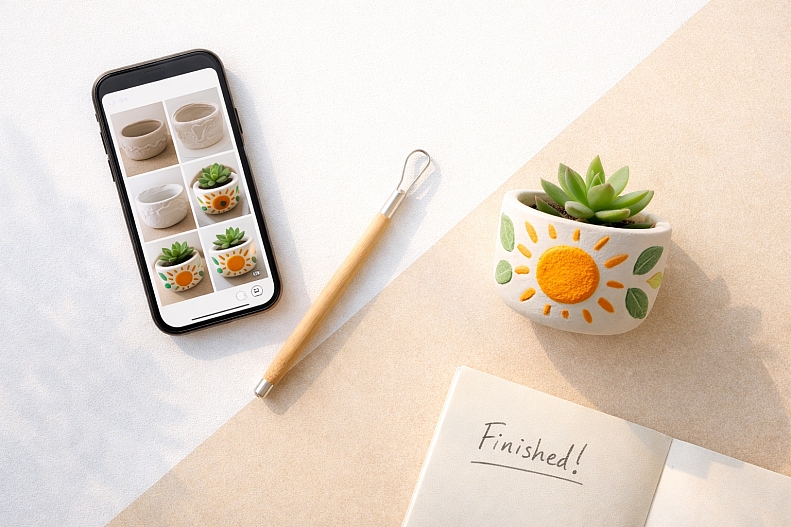
These practices make creativity feel doable even when your calendar is full. They keep your DIY inspiration clear, your projects affordable, and your handmade style moving forward without the pressure to be “amazing” every time.
Cue-Then-Craft
- What it is: Pair crafting with the cue routine reward loop, like tea, two minutes of making, and a quick photo.
- How often: Daily or whenever you’re home.
- Why it helps: A reliable cue reduces willpower and makes starting automatic.
The Two-Minute Restart Rule
- What it is: After missed days, do one tiny action to restart momentum.
- How often: After any break.
- Why it helps: It lowers shame and gets your hands moving again.
Friday Supply Sweep
- What it is: Check what you already own, then write a short “use-first” list.
- How often:
- Why it helps: It keeps projects budget-friendly and sparks unexpected design combos.
Progress Photo Log
- What it is: Snap one photo and note one win using progress over perfection.
- How often: Per session.
- Why it helps: You see growth fast, even on messy weeks.
Burnout Buffer Slot
- What it is: Schedule a no-output session for play, testing, or mistakes.
- How often:
- Why it helps: It protects joy and prevents creative shutdown.
Keeping Crafting Alive With Small, Steady, Enjoyable Sessions
A busy life will always try to crowd out the fun stuff, and crafting is often the first thing to get “later.” The way around that isn’t more willpower, it’s a low-pressure mindset of creative routine maintenance: keep it small, restart gently, and protect enjoyment in crafting so it stays inviting. Do that, and steady progress in crafting starts to feel normal, not heroic, which is exactly how long-term creative habits are built. If you can make one small thing, you can keep a creative life.
Choose your next 15-minute slot and treat it like a tiny appointment with your materials. That simple follow-through is quiet empowerment for crafters, and it builds the kind of resilience that holds up when life gets loud.
LEAVE A COMMENT
Recent Posts






0.1296