


How to Balance Kids' Busy Lives with Time for Fun & Rest
For busy parents juggling work, school emails, and carpools, busy children’s schedules can turn every afternoon into a scramble. Between the push for children’s productivity and the pull of rest, extracurricular activities balance can feel like a moving target that never stays “done.” With a calmer approach to scheduling, families can protect time for connection, fun, and recovery.
Quick Summary: Balancing Busy Schedules
- Prioritize the activities that matter most, then drop anything that does not fit your family’s goals.
- Limit weekly commitments so kids can keep up without feeling rushed or overwhelmed.
- Use one shared family calendar to spot conflicts early and plan smoother weeks.
- Build in protected downtime for fun and rest, just like any other activity.
- Share transportation when possible to save time and reduce day-to-day stress.
Try a 15-Minute AI-Guided Art Break Between Commitments
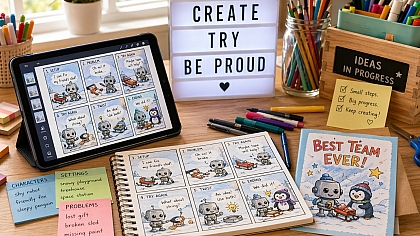
A 15-minute, screen-guided art break can be surprisingly calming on a packed day: it’s structured enough to feel contained, but creative enough to help kids relax, express themselves, and come back to the next commitment with a fuller battery, without derailing productivity. The low-pressure part is the magic; there’s no “right” result, just a quick chance to make something and breathe.
Kids can type descriptive phrases, like a mood, a scene, or a favorite animal, to generate unique AI images and art, and you can keep it simple by using AI art prompts.
Next, you’ll zoom out and build a weekly schedule that protects both goals and real rest.
Build a Weekly Plan That Protects Real Downtime

You’ve got the reset button. Now give your week a map.
This simple process helps you keep the best activities, trim the pressure, and build in rest that your child can actually feel. For busy families, a plan like this turns “We’ll slow down soon” into a schedule that works on real Tuesdays.
- List everything, then rank it by value.
Start with a quick brain-dump of school, clubs, sports, chores, family plans, and travel time. Then ask: What truly matters this season, what is optional, and what is just habit. Pick your top 2 to 3 priorities so everything else has to earn its spot. - Set clear limits before you start scheduling.
Choose a weekly cap for activities, plus a hard stop time for evenings, so sleep does not get squeezed. Decide on one or two non-negotiables like “one free afternoon” or “one full day with no commitments.” Limits reduce daily negotiations and help kids know what to expect. - Time-block the week, including buffers.
Put your priorities on the calendar first, then add homework, meals, and transit, and protect downtime like it is an appointment. The idea of breaking your day into distinct time blocks works well for families because it makes room for both effort and recovery. Add small buffers between blocks so one late pickup does not domino into everyone’s mood. - Step 4: Check in with your child and adjust together.
Do a short weekly chat: “What felt energizing?” “What felt too much?” “What should we change?” Listen for clues that the pace is affecting connection, as Dr. Joseph Aracri warns that some kids have lost the ability to interact when too much of life happens through screens and rushing. - Step 5: Schedule real downtime, not just empty time.
Downtime works best when it has a simple shape: outside play, reading, unstructured crafts, or quiet hangout time. Label it on the calendar so it does not get “borrowed” by last-minute extras. Treat rest as training, because it helps your child show up better for the things they love.
A calmer week is built one honest edit at a time.
Questions Parents Ask About Overbooked Kids
Quick answers for when the calendar gets loud.
Q: How many activities are “too many” for my child?
A: It is too many when sleep, mood, or school basics start sliding, even if the activity is “good.” A simple rule is no more than one “high-output” commitment at a time per child, plus a protected rest window. If your evenings feel like constant sprinting, scale back first and evaluate later.
Q: What are the early signs of burnout I should watch for?
A: Look for increased irritability, more headaches or stomachaches, sudden tears before practice, or a child who zones out at home. If joy disappears and everything feels like effort, that is a signal to lighten the load for two weeks and reassess. Keep the conversation neutral: “What is feeling heavy lately?”
Q: How do I set boundaries when my kid begs to add one more thing?
A: Validate the excitement, then offer a clear trade: “We can add this next season if we drop something now.” Make the boundary about recovery, not punishment, and put it in writing on the family calendar. Many families do better with buffers, so transitions do not eat all the breathing room.
Q: What if a coach, teacher, or another adult pushes for more commitment?
A: Thank them, then state your family limit in one sentence: “We are protecting sleep and downtime, so we will attend X days.” If needed, repeat it without extra explanation. You are not letting anyone down by choosing a sustainable pace.
Q: Can we course-correct mid-season without quitting everything?
A: Yes. Start by reducing intensity: fewer practices, skipping optional tournaments, or carpooling to cut travel stress. Tell your child the goal is to keep what they love while making room to recover, and pick a check-in date two weeks out.
Small edits now can protect the fun your child is working so hard for.
Make Space for Rest Without Losing the Activities Kids Love

When kids’ calendars fill up, the tricky part is keeping their passions without crowding out sleep, play, and simple breathing room. The most reliable mindset is treating maintaining balanced schedules as a living itinerary, guided by your family’s values and supported by ongoing schedule adjustments when real life shifts.
Done well, family time management benefits show up quickly: fewer last-minute scrambles, clearer boundaries, and more energy that supports children's wellbeing at home and on the go.
Balance isn’t about doing less; it’s about making room to recover. This week, review the family calendar together and protect one recurring downtime block to encourage downtime habits. That steady rhythm builds resilience, connection, and healthier confidence over the long haul.
Categories
Recent Posts








0.1126